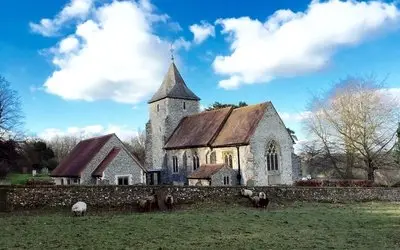
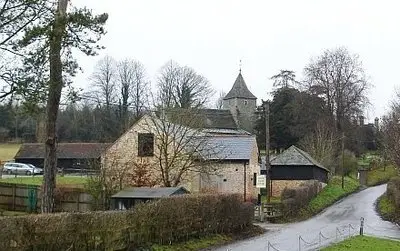
St Mary’s Church, Stansted, is a medieval church with a bold brick tower and stands in a peaceful setting next to the grounds of Stansted Hall. A ‘chapel at Stanstede’ is first explicitly mentioned in the Textus Roffensis, which was compiled at Rochester between 1122 and 1124 from earlier Anglo-Saxon documents. The oldest tombstones in the churchyard date from 1715. A major project to restore the Church bells took place in 1991, and an extension, the ‘Cloisters’, was completed in 2015.
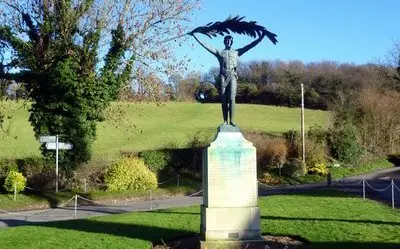
The original memorial statue was erected in 1923 on land donated by Sir Gerald Hohler of Court Lodge. The sculptor was Hungarian Alajos Strobl, who had been commissioned by Sir Gerald and his brother Thomas. The statue was stolen in 1964 but was successfully retrieved and reinstated. Following a second theft in 1995, the original statue was lost. The current statue was created by Faith Winter and rededicated on Remembrance Sunday 1996.
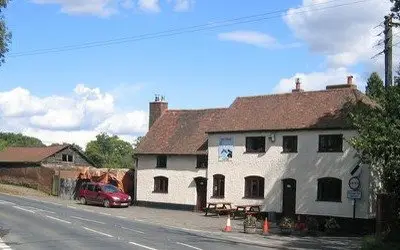
Allegedly, there has been a pub on this site since 1471, and parts of the existing buildings are said to date from that time. First known as the ‘Upper Drovers’, but given its present name by a sailor returning from the 1702 Battle of Vigo Bay. An ever-present entry for most of CAMRA’s lifetime, this pub closed its doors for the last time on 31 October 2014 when planning permission for conversion to residential accommodation was granted, thereby consigning over 500 years as a welcoming and idiosyncratic hostelry to the history books.
The original school building was constructed in 1874 as a two-room Church of England Primary School and was extended in 1906 with the addition of an outdoor toilet block. In 1939, an air raid block was built in the playground, and parents converted it into an office and library space precisely 50 years later. In the 1990s, the school became so popular that mobile classrooms were required to accommodate approximately 90 children. Kent County Council carried out a major expansion and refurbishment of the premises at a cost exceeding £500,000. The school experienced staff difficulties a few years later, and the Council and church decided to close it permanently. The site was declared an asset of community value and purchased by the Parish Council, which leased it to KCC for use by a Year 6 group from Grange Park School, Wrotham.
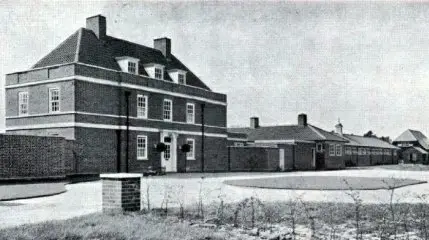
Built in the mid-1930s, Margaret McMillan House is an important local landmark adjacent to Platt Farm and accessed from the A227 Wrotham to Gravesend Road. The building is named after Margaret McMillan, who dedicated her life to the developmental needs and educational progress of kindergarten and primary-age children; she had a profound effect on England’s education system, including the establishment of Margaret McMillan House. McMillan House was officially opened in May 1936 by the Duke of York.
The current Chapel of the Holy Innocents, also known as Fairseat Chapel, was commissioned in 1930 by Sir Phillip Hickson Waterlow, in memory of his wife, his father and his mother, who lived in Fairseat. The Chapel is the second Chapel of the Holy Innocents in Fairseat, the first being established in one of the farm buildings adjacent to the children’s convalescent home at the Manor House, which was managed by the staff of Sir Philip and Lady Waterlow.
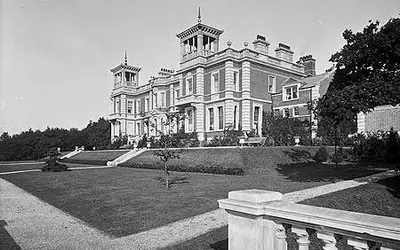
Trosley Country Park and Vigo village were once part of the Trosley Towers Estate. In 1870, Sir Sydney Waterlow purchased large areas of land, including the village of Fairseat, a major section of Stanstead, as well as other areas of land between Wrotham and Meopham. The parts of the estate were linked by a small bridge over Trottiscliffe Road bearing the family crest, which is still in evidence today. In 1887, he built Trosley Towers on the crest of the escarpment on the North Downs, to the east of Trottiscliffe Road.
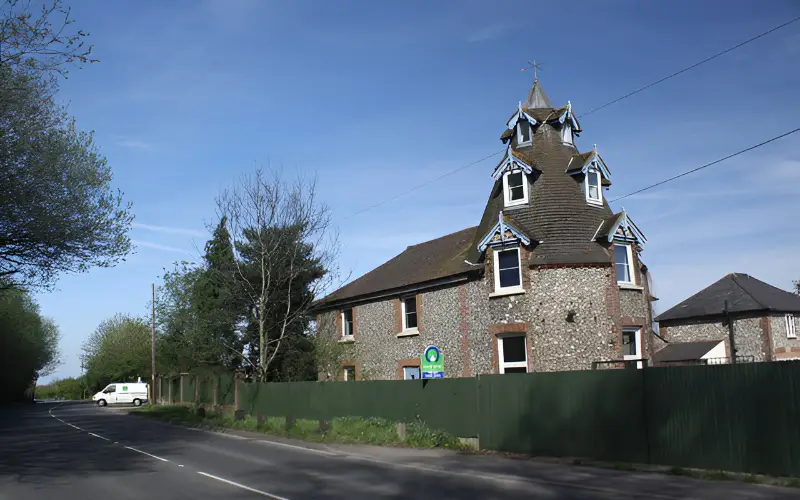
In 1903, the Waterlow family of Fairseat, in Kent, converted the oast house on the Trosley Towers estate into what is now The Grange on Gravesend Road. The property was once part of Miller’s Farm and was known as Tower Folly until recent times. It was one of the first oast houses converted into a home and is distinctive for its multiple windows built into the original kiln roof. Daphne Oram, the pioneer of electronic music, lived at the property in the 20th century and based her music studio there.
Court Lodge is an important house in the history of Stansted, situated in the centre of the village, close to the parish church of St Mary, and nestling in a small valley. The farm now consists of some 600 acres, which include Court Lodge itself and its associated outbuildings, granary, coach house and oast house. It is an 18th-century brick-and-stone farmhouse with a 17th-century block to the rear, a Kent peg-tiled roof, and tile hanging.
The Pre-Officer Cadet Training Unit (OCTU) at Wrotham Camp was reputed to have been, at one stage, the largest training establishment in the world, with up to 10,000 cadets on site at any one time. The camp was situated in what was the Waterlow estate, and this area of the North Downs was a scene of intense military activity during the Second World War. The first intake into the camp was in August 1942, and the camp continued training potential Officers until its closure in 1946.
For more than 50 years, Fairseat was home to an alpine nursery that was regularly awarded medals at the Chelsea Flower Show and also planted a large part of the Selfridges roof garden. The site of the old nursery is along Crabtree Close that runs from the A227 to Fairseat village. The nursery was established in 1923 by two partners, Guy St. Clair Feilden and George Crouch, and closed in the late 1970s or early 1980s.
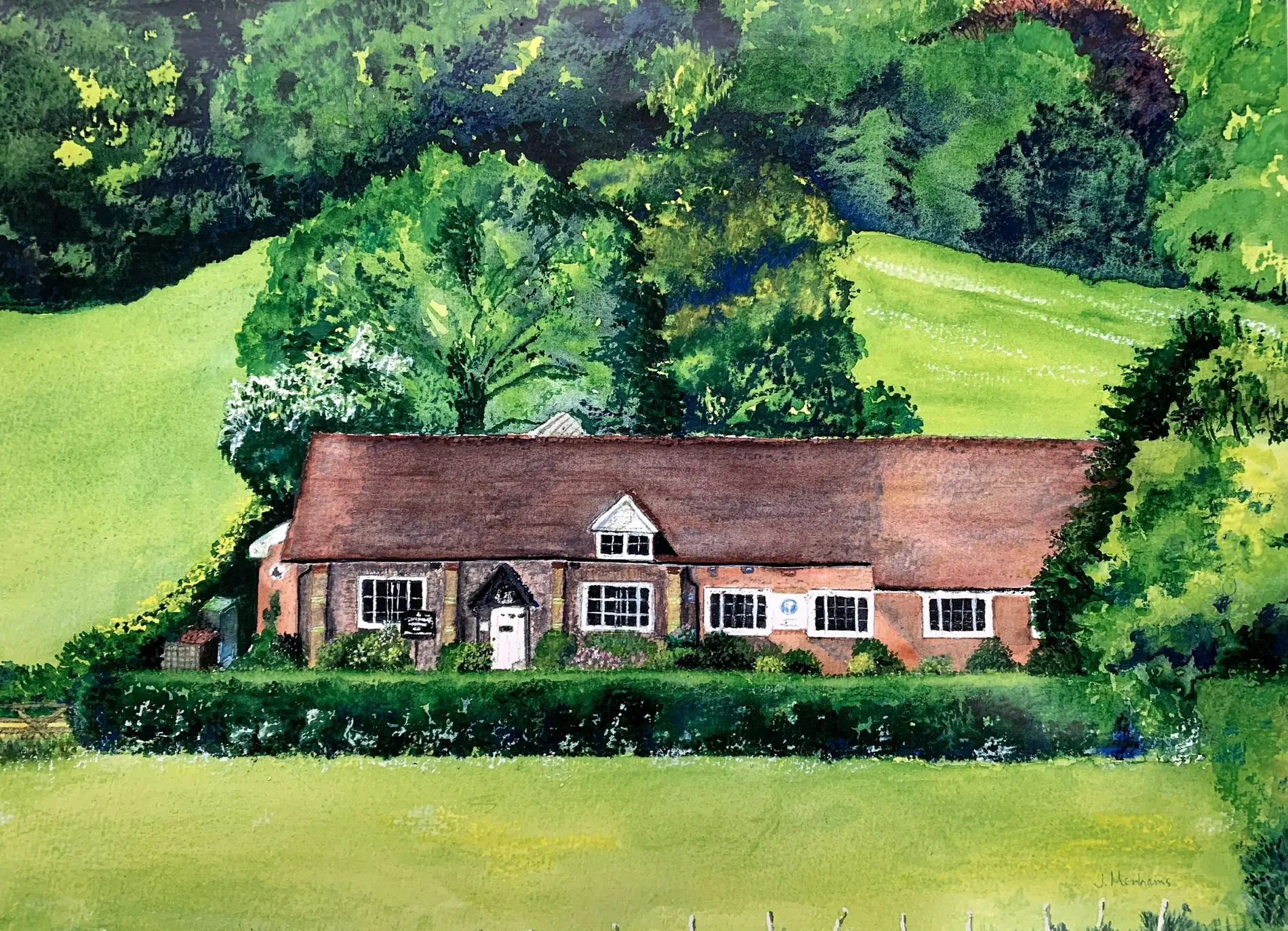
The Hall stands on an acre of ground donated to the village by Mr and Mrs Anderson in 1958 to provide a safe area for children to play in. Shortly after, village resident Hugh Pasteur persuaded his fellow Directors at J&E Hall, Dartford, to donate their old wooden sectional office buildings for use as a Village Hall. A fundraising campaign enabled the digging of foundations and the installation of services. The Hall was opened in 1961 and, although it has been substantially refurbished twice since, it is still largely in its original form. The History Society’s archive is also located in one of the rooms.
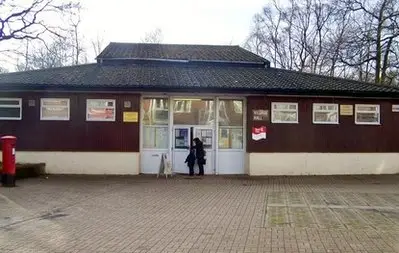
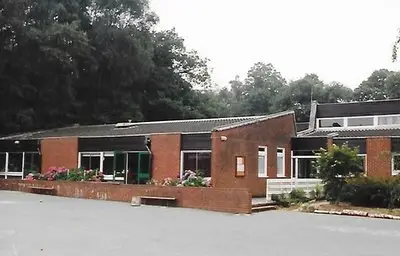
Work to construct Vigo Village Hall began in 1973, but the project hit serious problems, and the building was not opened until 1980. In the linked article, John MacKenzie and Don Banks recall the project’s problems and the unusual buildup to the opening ceremony.
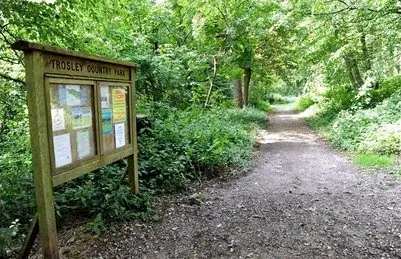
Kent County Council bought and opened the 170-acre Trosley Country Park in 1976. The land was once part of the Waterlow family’s estate, where in 1887 Sir Sydney Waterlow built the Trosley Towers mansion. The land that now forms the park was part of an officers’ training camp during World War II, and a climbing wall, a concrete lookout platform, and a pumping house can still be found there today.
A windmill (or succession of windmills) seems to have existed between Fairseat and Stansted from before 1322 until the early 1800s. It seems that it operated in the field behind the pond at the top of Stansted Hill. Records are sketchy, and there is only a small depiction of it on a 17th-century map. The article is a detective story about what we do know about an important landmark over the past 500 years.
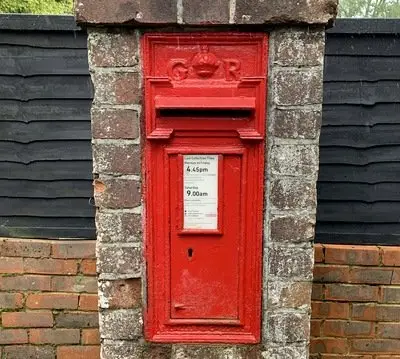
The Post Office in Stansted existed from 1897 until the late 1990s. It was originally located in Tumblefield Road at High Tree just up from the Black Horse and was subsequently located just below Hook and Hatchet, Hatham Green Road, where it was co-located with a shop for many years. The Post Office moved to the Black Horse public house in 1988 and permanently closed when Brian and Mary Keast moved away from the area.
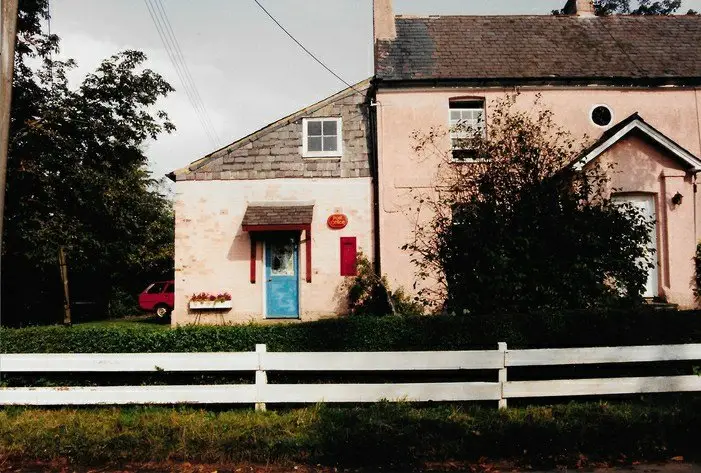
For 124 years, there was a Post Office in Fairseat. It operated in three premises: Fairseat Cottage (1871-1930), The Old Post House (1931-1966) and Fairseat Farmhouse (1967-1997) and for much of that time, the post office facilities co-existed with a village shop. In 1997, Kay and Len Pointon retired after almost 30 years of service, and since then, there has been no post office or shop in Fairseat.
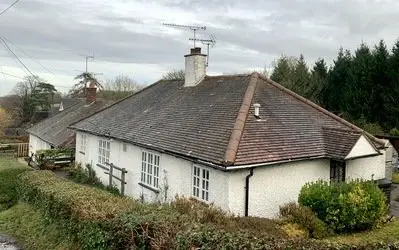
In 1912, a small but successful experiment in community housing was launched in Stansted. In those days, most farm workers lived in tied cottages, and Maude Berry, whose family had lived in the parish since the 1870s, realised the need for cheap housing for those who were evicted when they were too old to continue work. She and her brother built a pair of semi-detached cottages on Tumblefield Road. The second pair of cottages was built in 1926. Over time, the cottages were upgraded with mains water being installed in 1927 and electricity in 1947. The cottages have been occupied continuously by residents either born locally or those with close connections with the parish, all benefiting from the Berry family’s initiative.
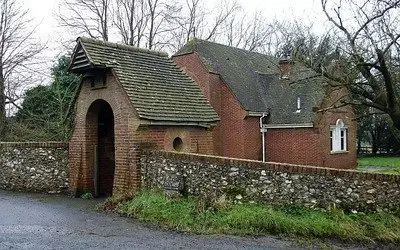
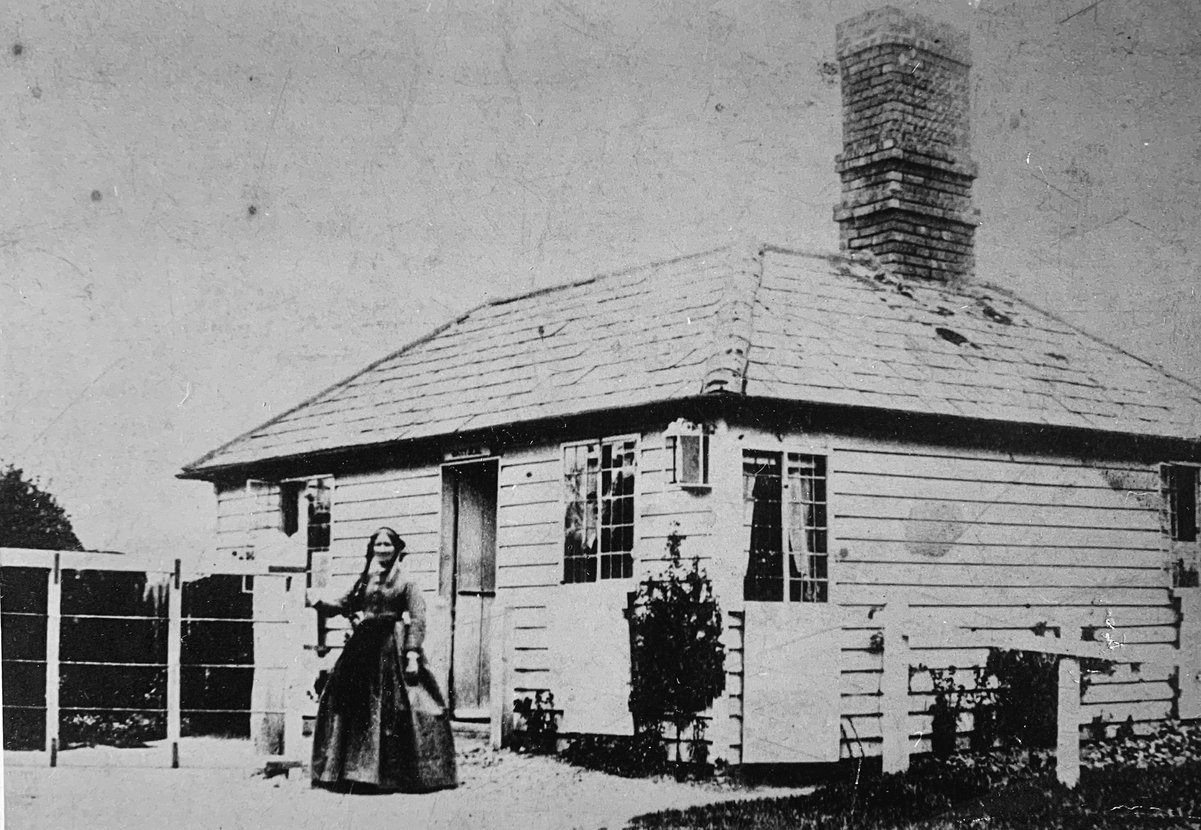
From 1825 to 1876, A227 Gravesend Road was operated as a turnpike with 4 tollhouses along its length. One of these was at the crossroads between Fairseat and Vigo Hill, and the article covers the building of the turnpike and the operation of the tollhouse, which is now a residential property.
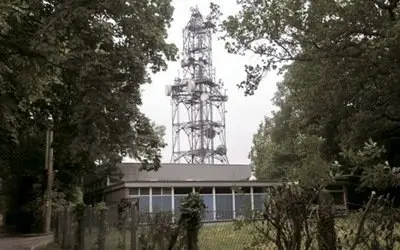
The Telecommunications Tower in Crabtree Close has played a vital part in the television, radio and telephone infrastructure for the south-east since 1966. The facility also formed part of the emergency communications infrastructure in the event of a nuclear war. Local resident, John Deacon, was the Engineer-in-Charge of the Station for 12 years and has lived within yards of the site for almost fifty years.
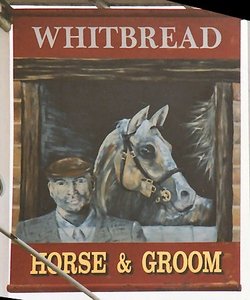
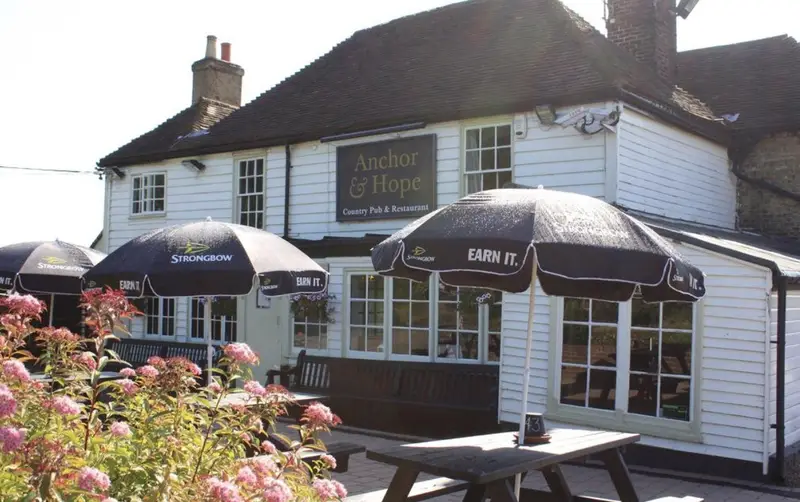
The Horse and Groom public house was originally built about 1770 and subsequently rebuilt during the late 1800s, although the exact date is currently unknown. It was one of five long-standing pubs in the Stansted parish, which include the Vigo Inn, the Black Horse, the Anchor and Hope, and the Hook and Hatchet. The Horse and Groom finally closed in 2016 and has now been renovated as a detached residential property.
The present primary school in Vigo was purpose-built in 1972 and is a thriving and successful modern school. For the 14 years after the end of World War II, however, things were much more temporary with populations and provisions coming and going. The article outlines those historical times.
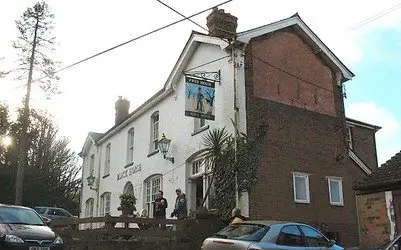
There has been a pub in Stansted called the Black Horse since about 1800 or earlier. The current building dates to the late 1800s and was probably built to a brewery template, replacing an earlier building called ‘Palmers’. The pub closed for business in October 2024 after being one of the centres of village activity for more than 200 years.
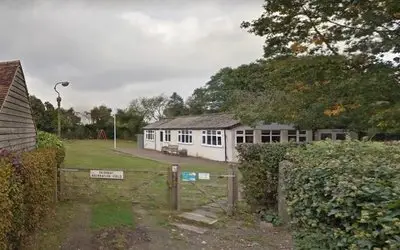
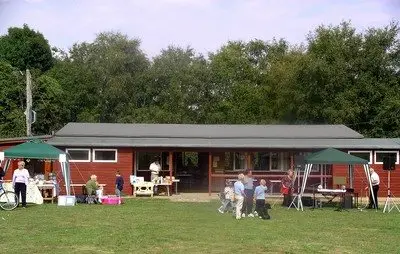
Stansted Village Hall was erected on the 6-acre Recreation Ground in 1968. It is, however, somewhat older, having previously been used as a Post Office in Longfield. Improved and expanded over the years, it sits in an idyllic setting near the confluence of the three valleys that define Stansted.
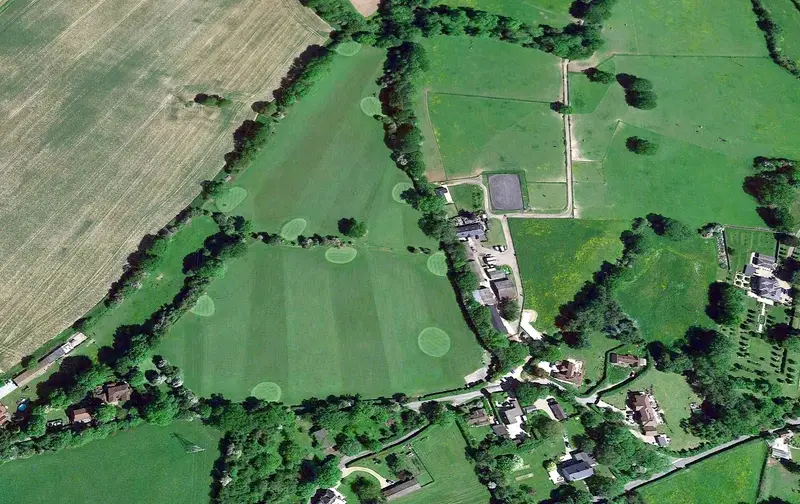
This 14.5-acre, privately owned golf course was the brainchild of local resident Phil Clarke. The land had been used as part of South Ash Manor farm until the late 1980s, when it was acquired by a new owner who intended to use it for disposing of soil, sand, gravel, clay, and chalk. This threat was thwarted, and the land was purchased by Phil Clarke and Fred Hohler. By 1995, Phil had turned his half of the land into a golf course, and an annual charity fundraising tournament was started. By its 25th anniversary in 2020, the tournament had raised over £125,000 for Cancer Research UK.
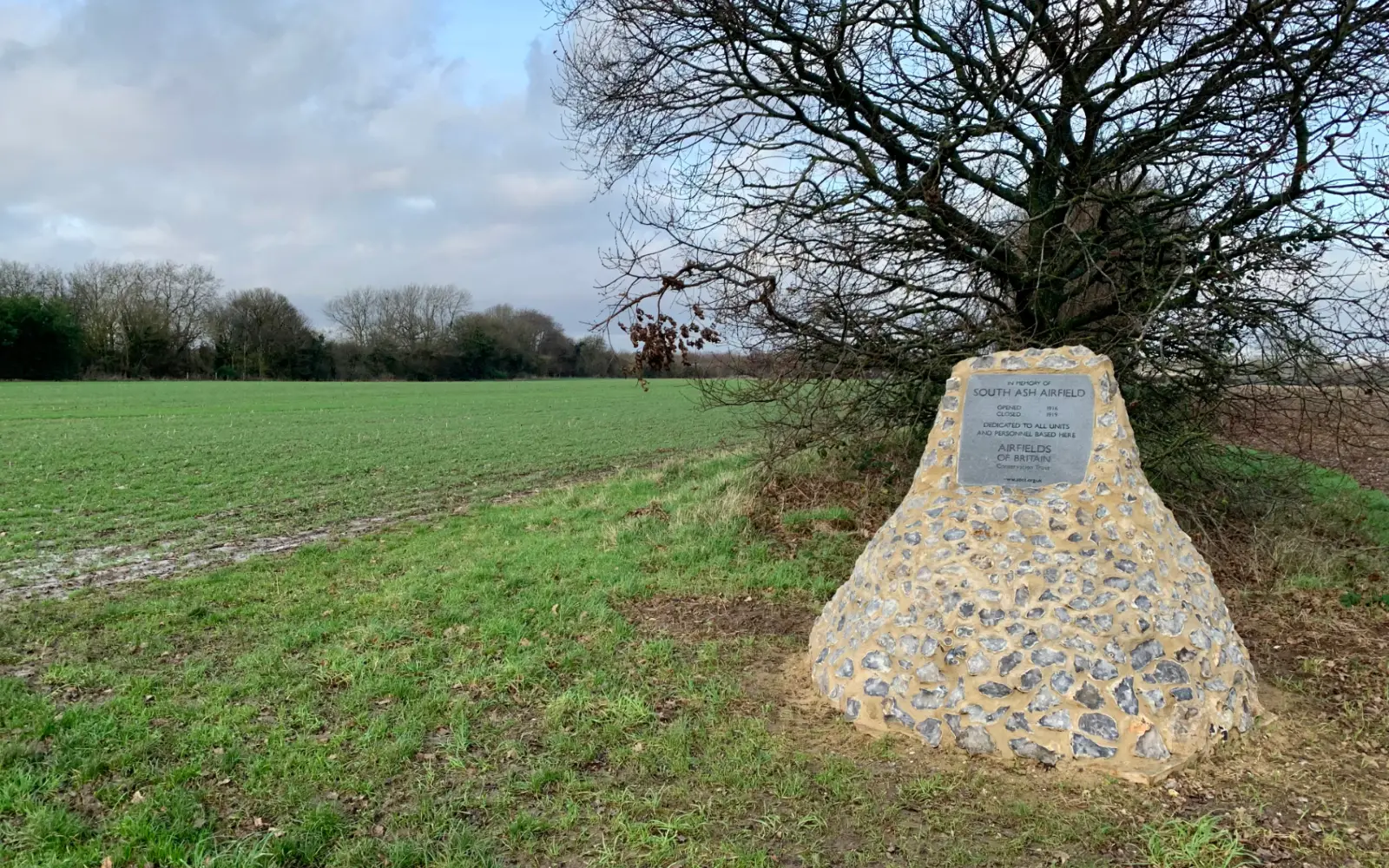
Between 1916 and 1919, a Royal Flying Corps airfield existed in Stansted, just to the southeast of Rumney Farm. It was used as a supplementary landing ground for a Flight of fighter aircraft whose squadrons were successively based at Canterbury and Biggin Hill aerodromes. A commemorative plaque was supplied by the Airfields of Britain Conservation Trust in 2020 as a permanent reminder for future generations of the part Stansted played during WW1.
Originally a timber-framed house built in 1537, it became a coaching inn at an unknown date. In the 1851 census, Harriet Goodwin was recorded as living there as a Grocer and Beerhouse Keeper, and it remained so until the 1920s. Around that time, it came into the possession of the Bayley family and was run by them as a Public House until the 1980s. It closed as a Pub in January 2018 and was vacant for five years before being demolished in 2023 following a serious fire. The site has since been redeveloped into a mixed-use building, with commercial space on the ground floor and residential on the first floor.