
Fairseat Guided Walk - August 2026
On 16th August, 2026, thirty intrepid villagers assembled at the Village Hall in Fairseat, Kent, for a two-mile guided history walk of the area. It was dry and 25C, a welcome relief from the seemingly unending days of 30C+. It was the fourth guided walk organised by the History Society and finished with tea and home-made cake. All participants enjoyed the event, and future walks are planned for 2027. The following video clip highlights aspects of the event, which is described in more detail below.
The following landmarks and places of interest were highlighted during the walk.
The Old Post Office, run by Miss Stella Hendren from 1930 to 1966, was Fairseat’s 2nd post office, 1st shop, and 1st telephone exchange. A commemorative plaque to Mrs Hendren is set into the wall of the house. The telephone exchange was the old non-automated type, with plugs and wires that had to be connected manually. For some years the house was home to John Carlisle M.P and his wife, Anthea.
Further information on this property and on Fairseat Farmhouse is available at Places>Landmarks>Fairseat Post Office.
Fairseat Farmhouse – originally the farmhouse to Fairseat Farm, it was converted to a house and shop by Kay and Len Pointon in 1968. It was known as the Pink House and was Fairseat’s 3rd Post Office and its 2nd, and last, shop. It is now a much extended private dwelling, and is no longer pink.
Soranks Manor – built in 1843 by William Edward Hickson on the foundations and cellars of a much older house. For some years in the 1930s it was run as a hotel but is now a private residence.
Further information on W.E. Hickson is available at People>Luminaries.
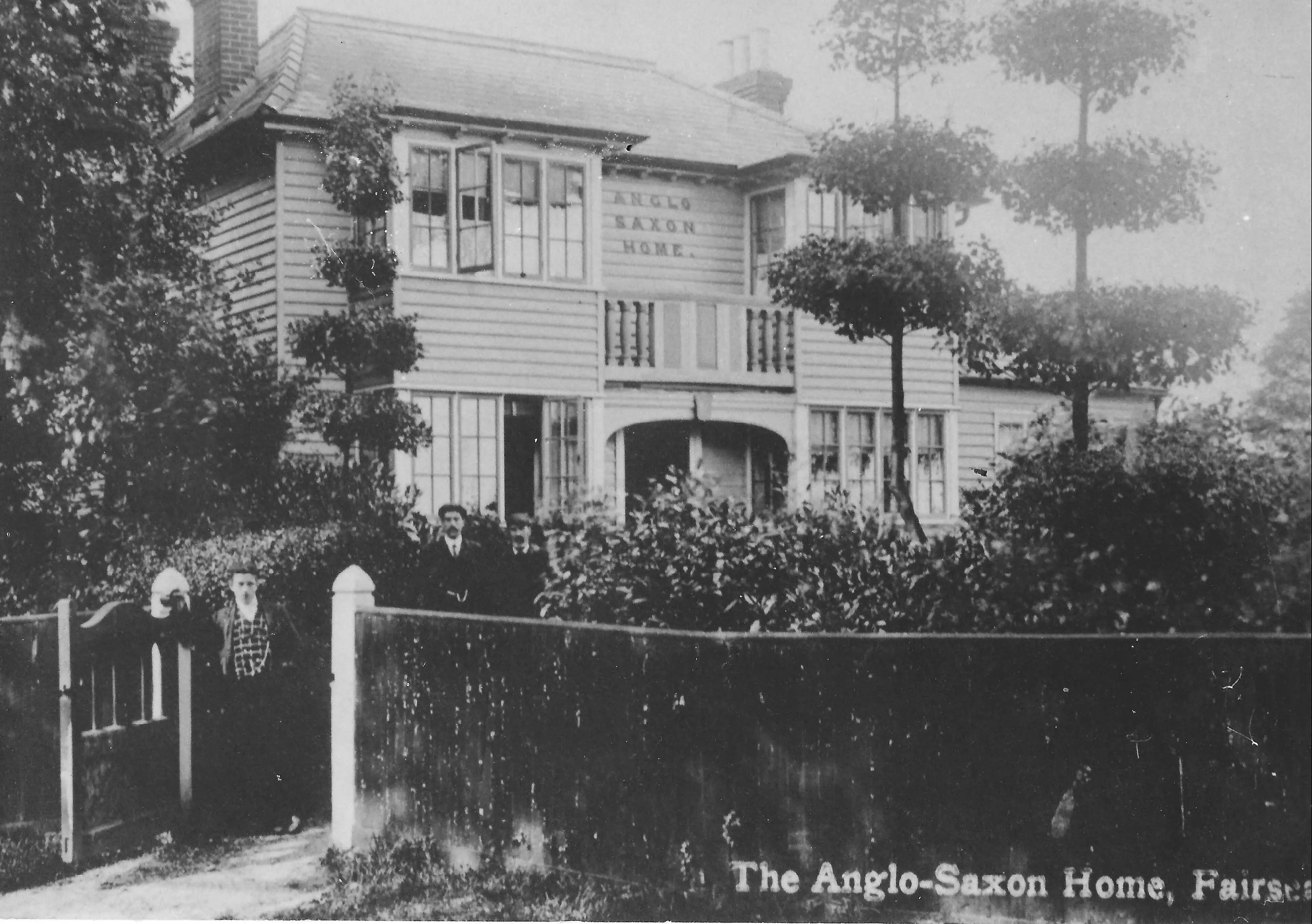
The Old Vicarage – for many years from 1900 it was the Anglo Saxon Retirement Home. From 1966 to 1996 it was the replacement vicarage for St Mary’s and was occupied by the Rev. David Clark and his family. David and his wife, Alison, were keen gardeners and had a large garden which they opened to the public. On his retirement, the Church sold the bottom half of the garden as a building plot, now occupied by Langara, and sold the Vicarage into private ownership.
Linton – the old home of Brian Wood still has a waymarker boulder beside its entrance gate with a hole in the top for ‘good luck’ posies of flowers.
Further information on Brian Wood can be seen at People>Biographies>Brian Wood.
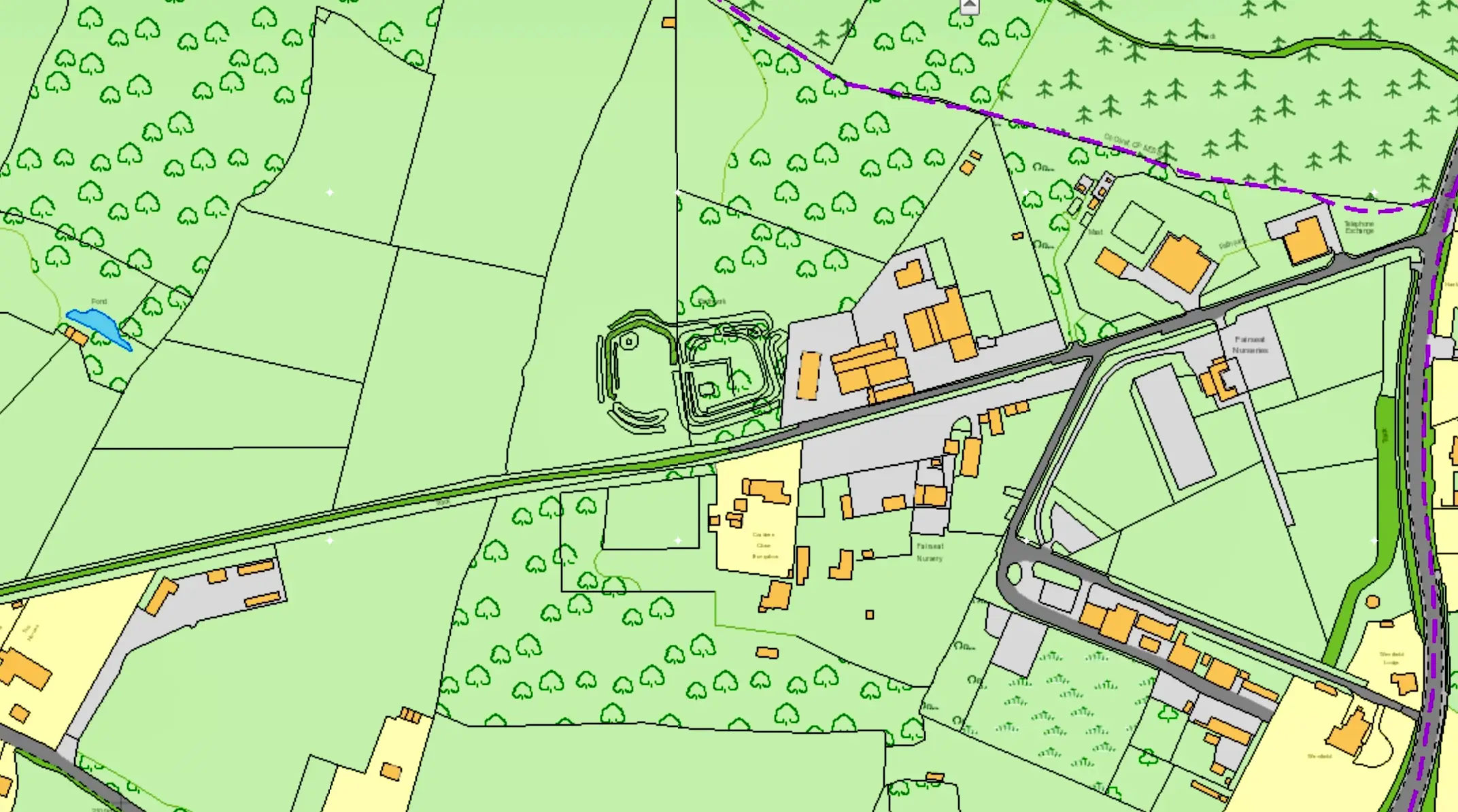
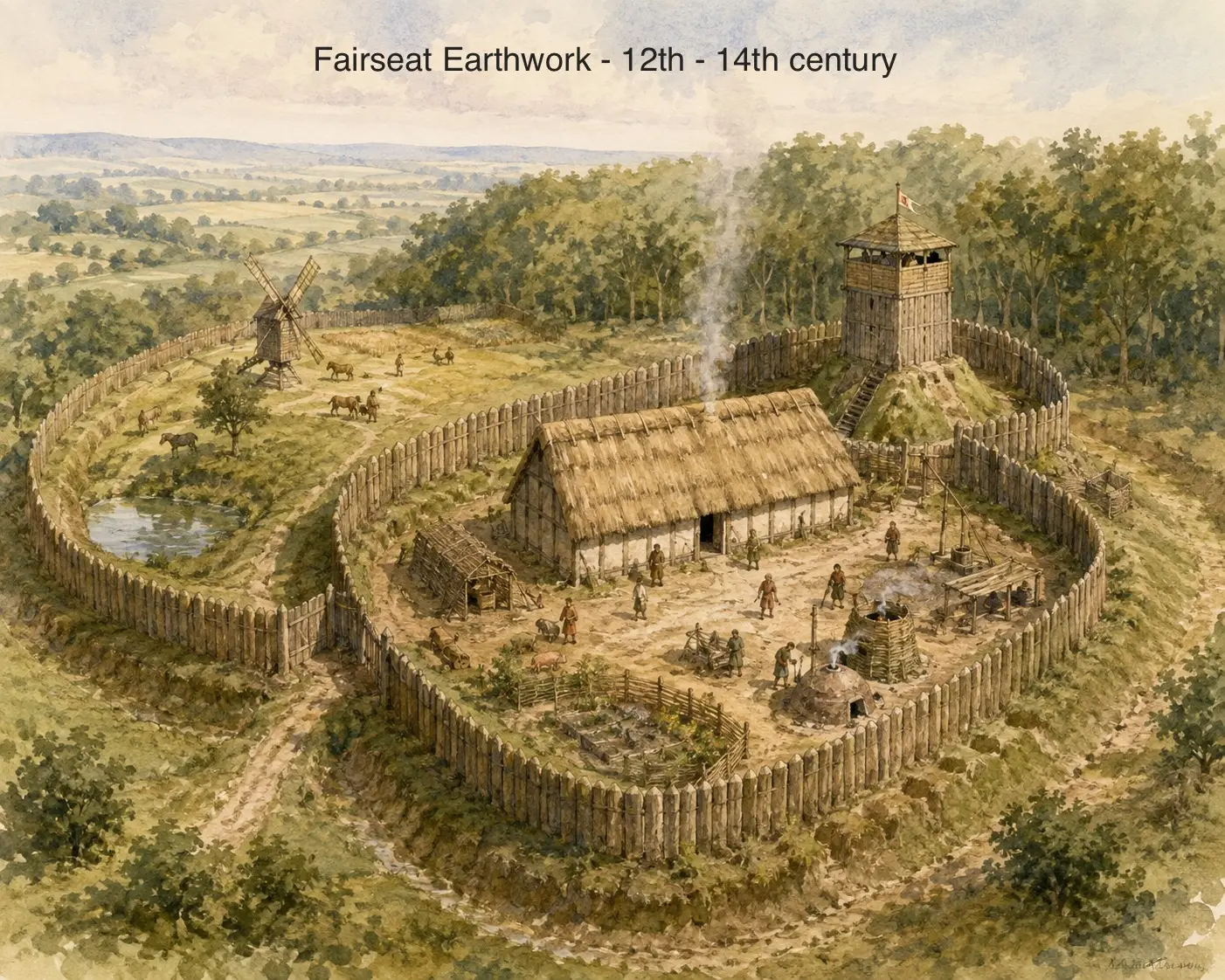
The medieval manor – opposite Crabtree Bungalow, Crabtree Close (aka Bumpy or Piggy Lane). This site, now split between two fields and with no physical presence, was excavated by archaeologist John Caiger between 1964 and 1966. He found a main enclosure containing living quarters and, on one side, a compound for cattle or livestock with a pond. His investigations show that the site was occupied from A.D. 1159 to about 1320. The most important finds were the hall house with several smaller, later buildings superimposed on it, a windmill mound (unusual at this date), a mound for a lookout tower, and part of a furnace for smelting iron. A large number of pottery shards from cooking utensils were recovered, along with food remains (shellfish and fish bones, animal bones, etc.).
A web article is being prepared on the site. When available, it will be at Places>Landmarks>Fairseat Medieval Manor.
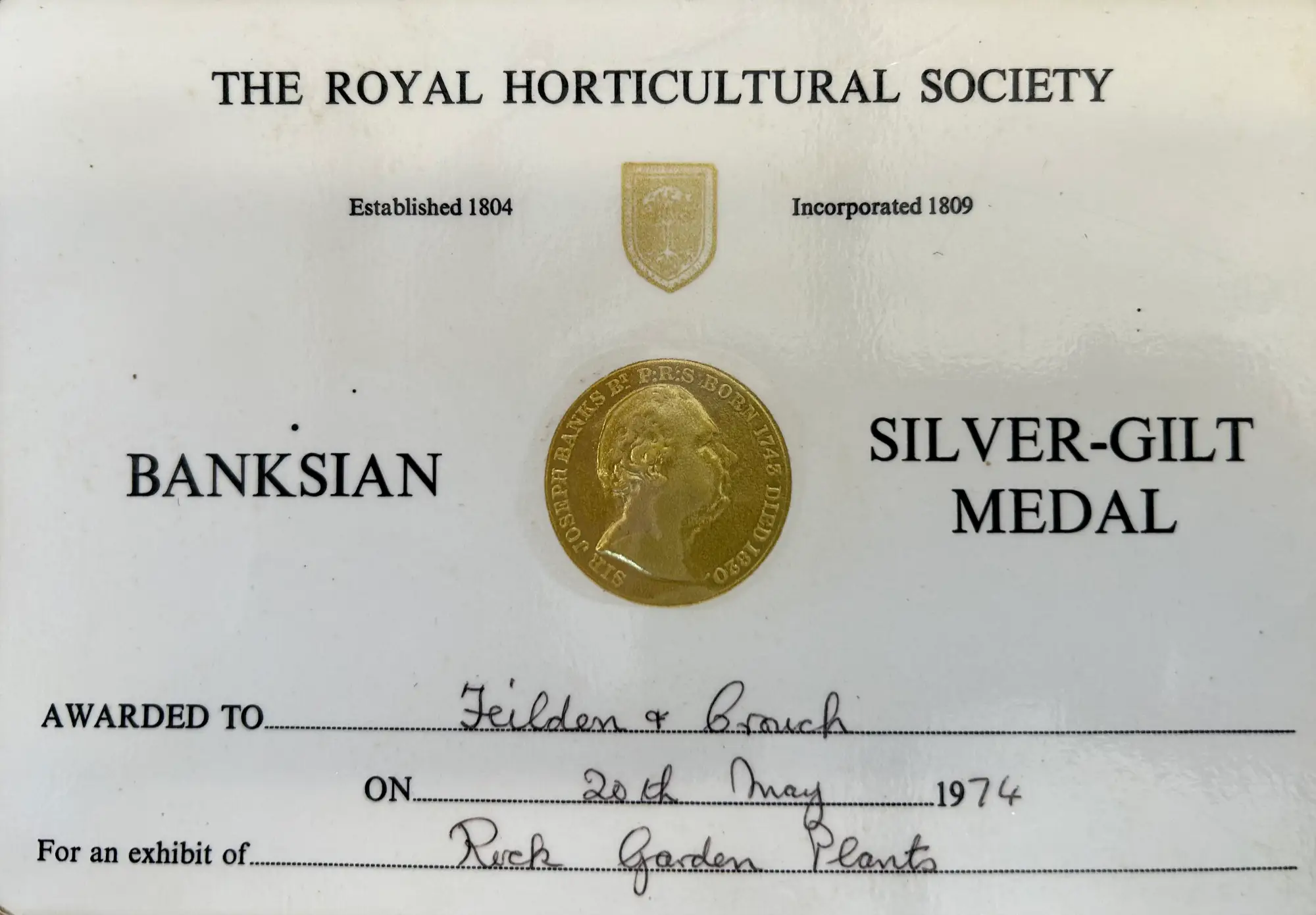
Fairseat Nursery – For more than 50 years, Fairseat was home to an alpine nursery. The nursery was established in 1923 by two partners, Guy St. Clair Feilden and George Crouch and regularly won medals at the Chelsea Flower Show. Village stalwarts Fred Hills and Stan Chapman also worked there for their entire working lives, and they planted much of the Selfridges roof garden. The nursery closed in the late 1970s/early 1980s.
Further information is available at Places>Landmarks>Fairseat Nurseries.
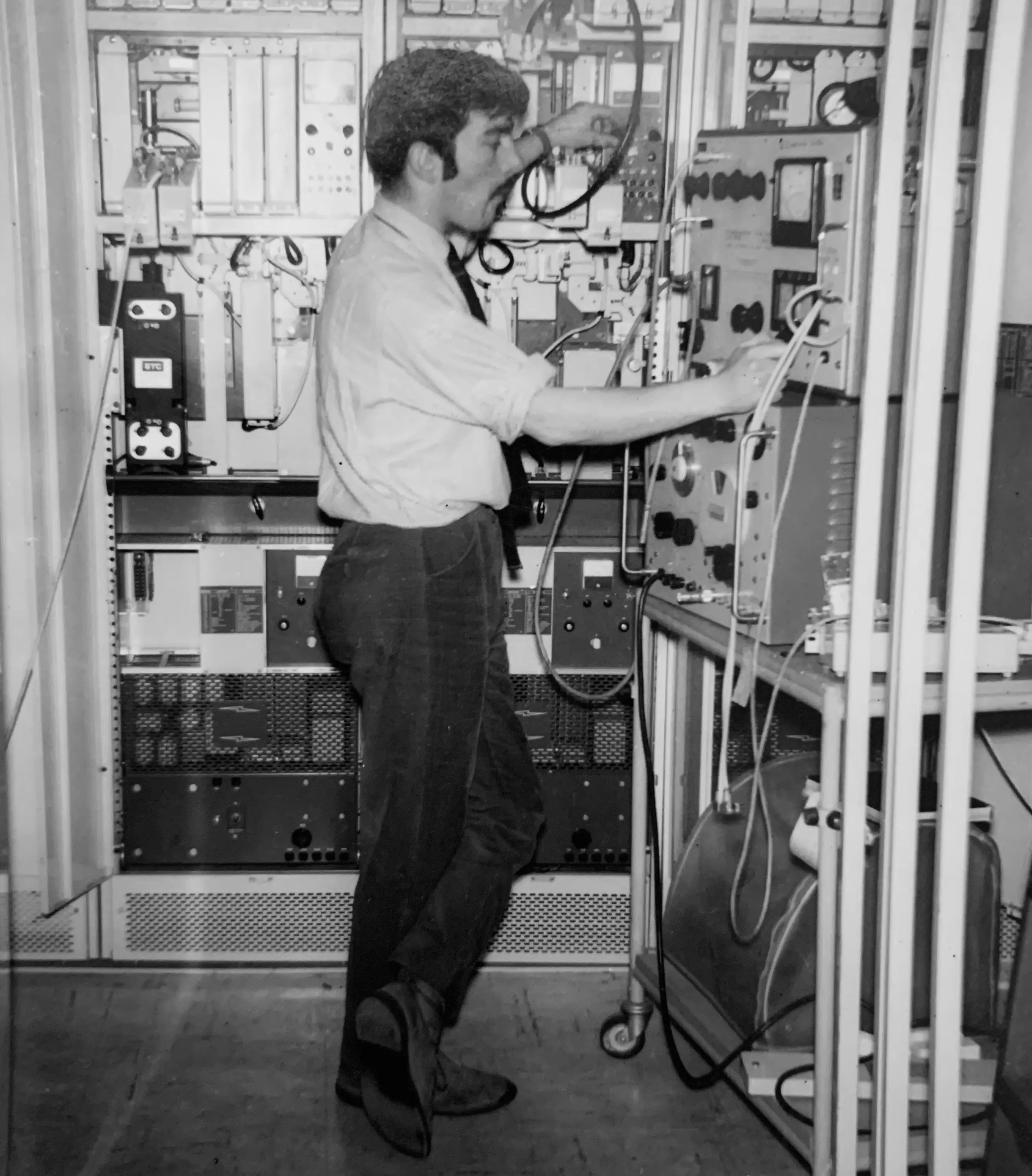
Fairseat Telecommunications Tower – Crabtree Close. The Tower has played a vital part in the television, radio and telephone infrastructure for the south-east since 1966. The facility also formed part of the emergency communications infrastructure in the event of a nuclear war. Local resident, John Deacon, was the Engineer-in-Charge of the Station for 12 years and has lived within yards of the site for almost fifty years. The tower is now used mainly for mobile phone signals.
Further information is available at Places>Landmarks>Fairseat Telecommunications Tower.
Fairseat Telephone Exchange, Crabtree Close – this replaced the Vigo Road exchange (see below) and started operating in 1971. It is still the current Fairseat Exchange. Although situated next to the Telecommunications Tower, it is a completely separate operation.
Further information is available at Environment>Infrastructure
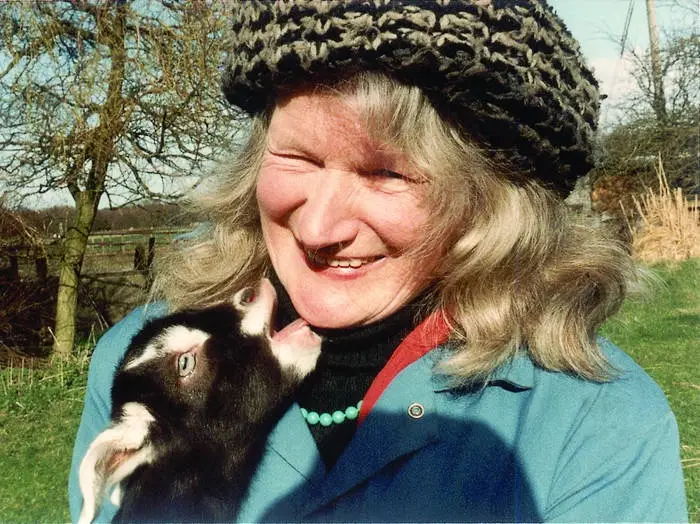
Tower Folly (now The Grange) – this was an oast house on Miller’s Farm when it belonged to Sir Sydney Waterlow. It was converted to a residential dwelling in 1903, and the insertion of many windows in the old oast roof is very striking. For many years it was the home of electronic music pioneer, Daphne Oram.
Further information on Daphne Oram is available at People>Luminaries>Daphne Oram.
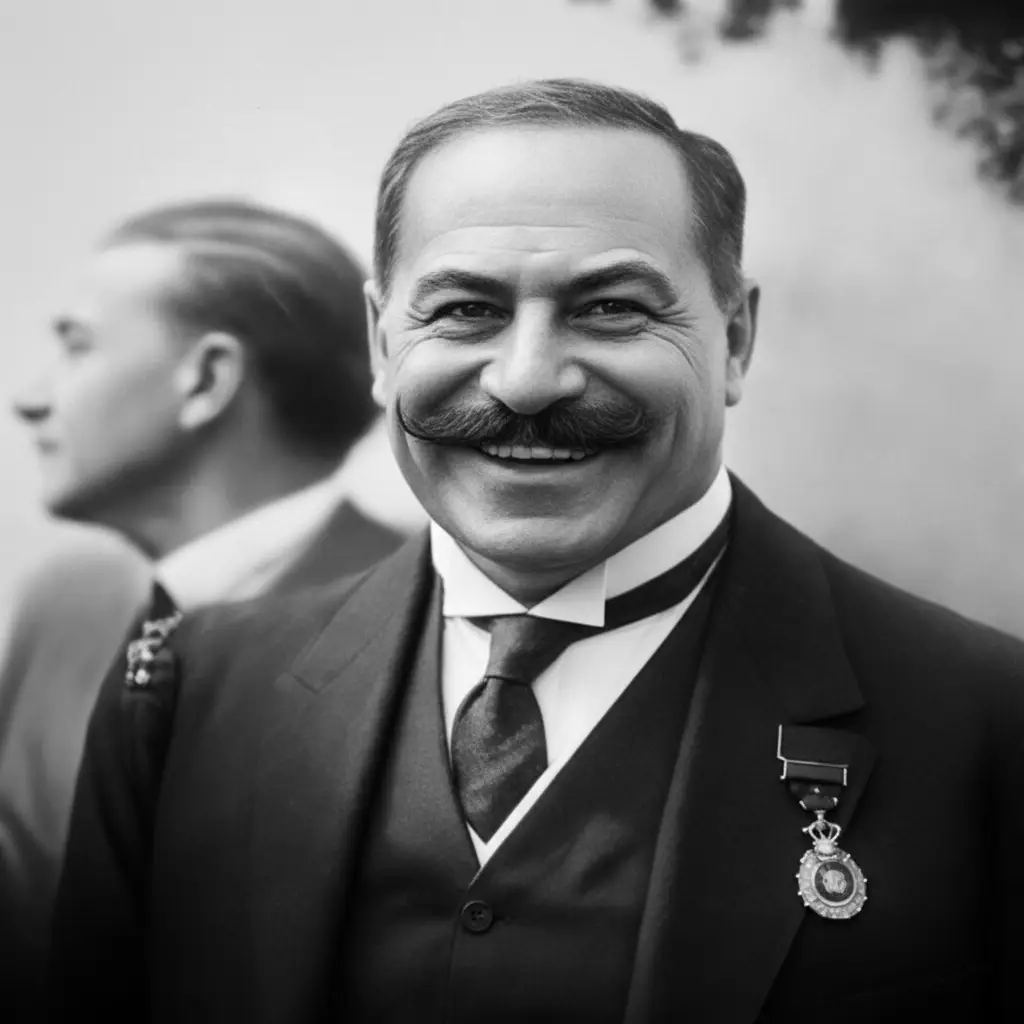
North Lodge – Built around 1887 as one of two gatehouses for the Trosley Towers Estate. It was the home of Ezekiel Shamoon from 1936 until his death in 1972, at age 81.
Further information on Mr Shahmoon is available at People> Luminaries>Ezekiel Shamoon.
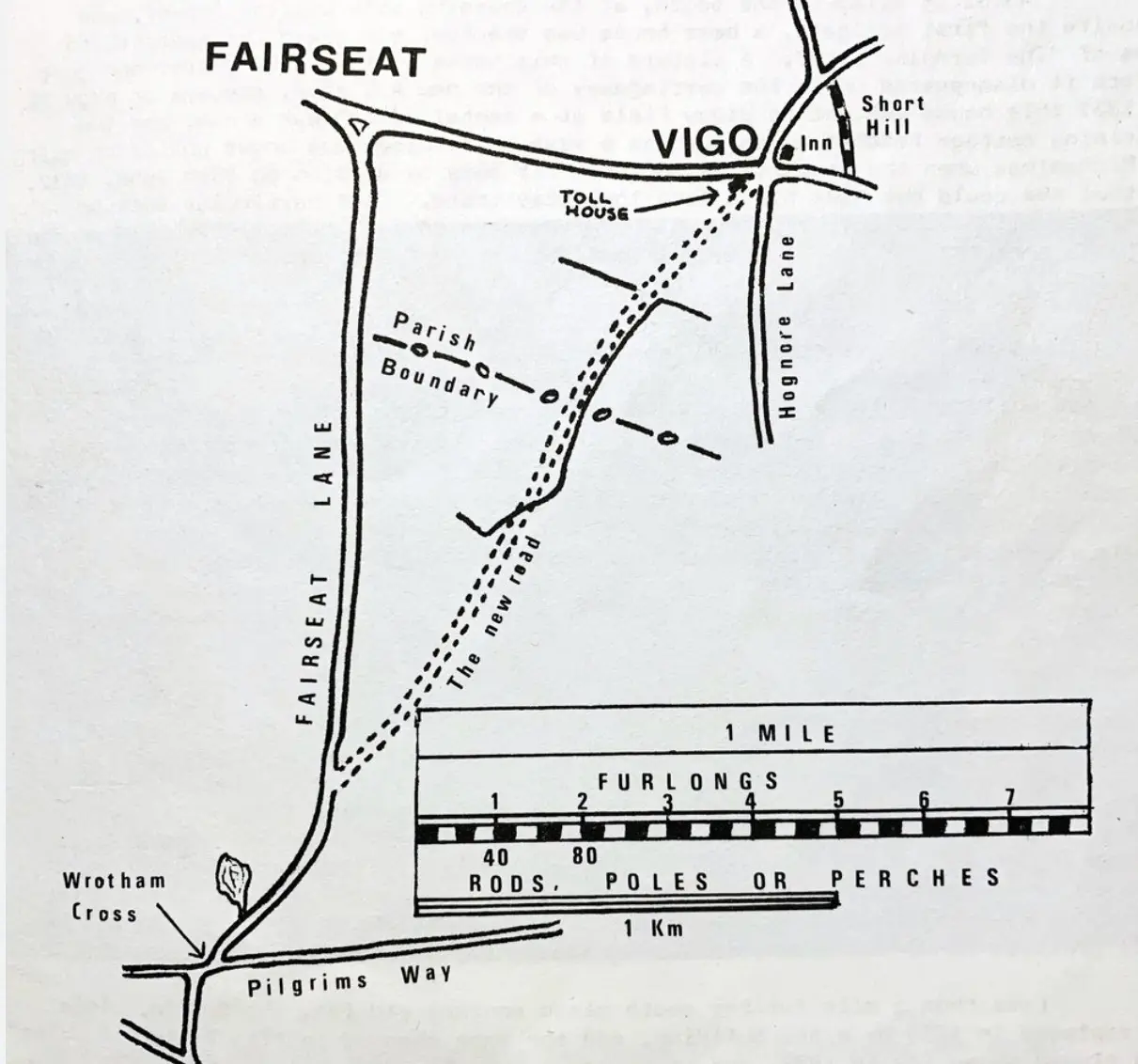
Savepenny Lane – a public footpath on the western side of North Lodge. It was originally called Short Hill and was used as a by-pass to avoid paying the toll at the Toll House at the top of Vigo Hill.
Further information on the Tollhouse can be found at Places>Landmarks>Gravesend to Wrotham Turnpike.
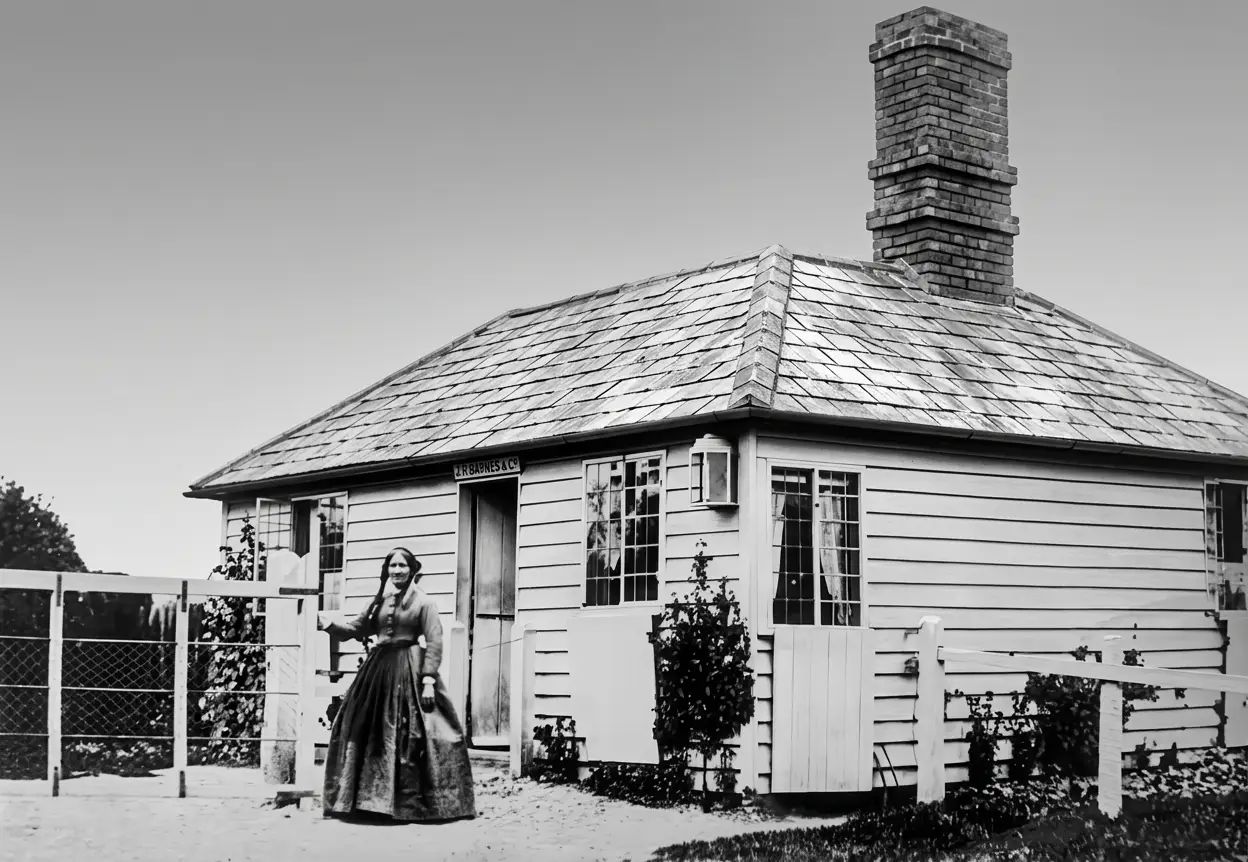
The Old Tollhouse – built in 1825 as part of the Gravesend to Wrotham turnpike. The current A227 (Gravesend Road) from the top of Vigo Hill to the Wrotham roundabout was constructed at that date – the previous routes being either 1) Hognore Lane or 2) to the centre of Fairseat and then left down Platt House and Fairseat Lanes. The Tollhouse closed in 1870, and the replacement building on the site has at various times been a private house, a cafe, and a farm shop.
The Vigo Inn – originally a 15th-century pub called the Upper Drovers, it was renamed after the Battle of Vigo Bay in 1702. It closed as a pub in 2014 and is now two separate residential dwellings and a holiday/ AirBnB eco-retreat.
Further information on the Vigo Inn can be found at Places>Landmarks>Vigo Inn.
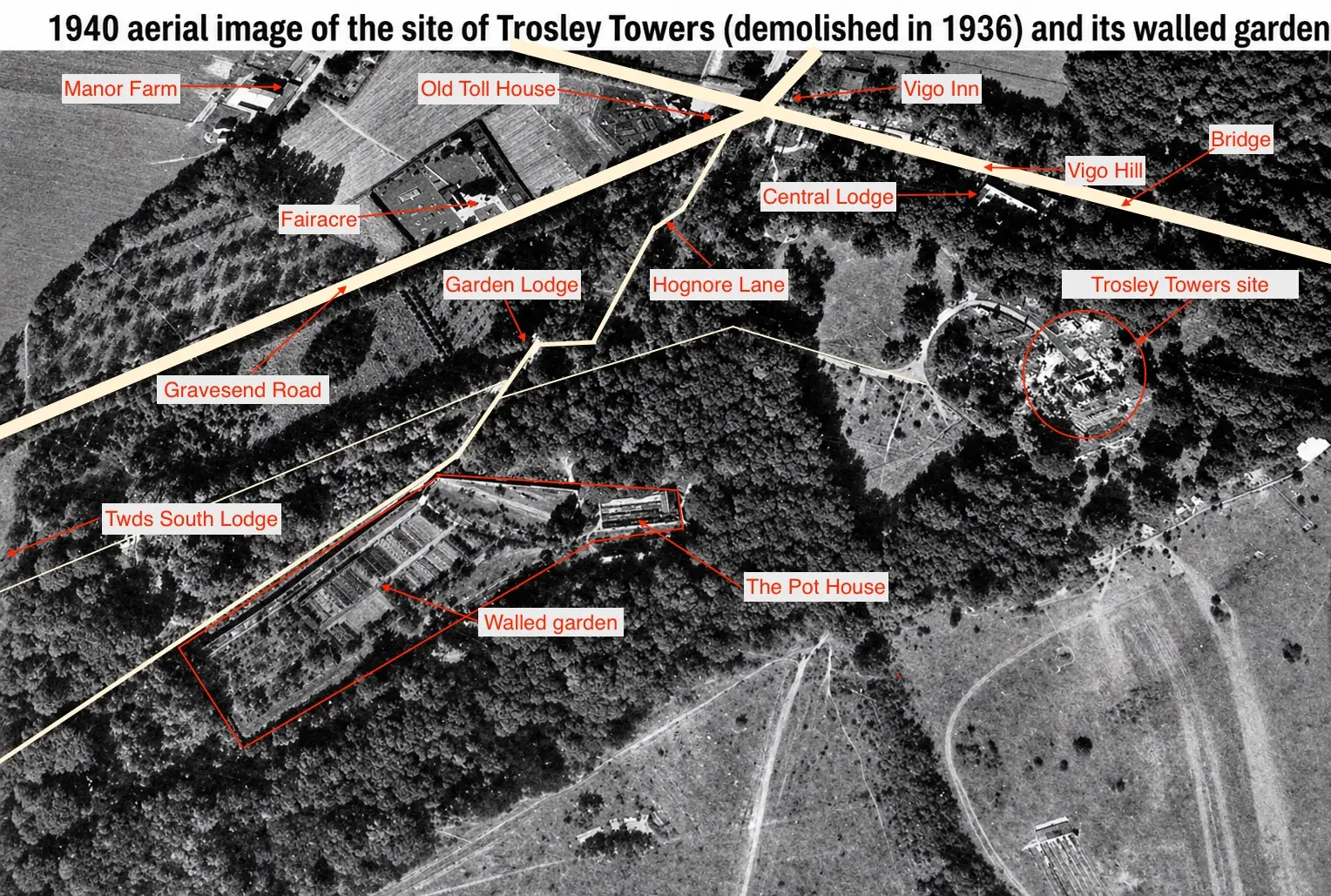
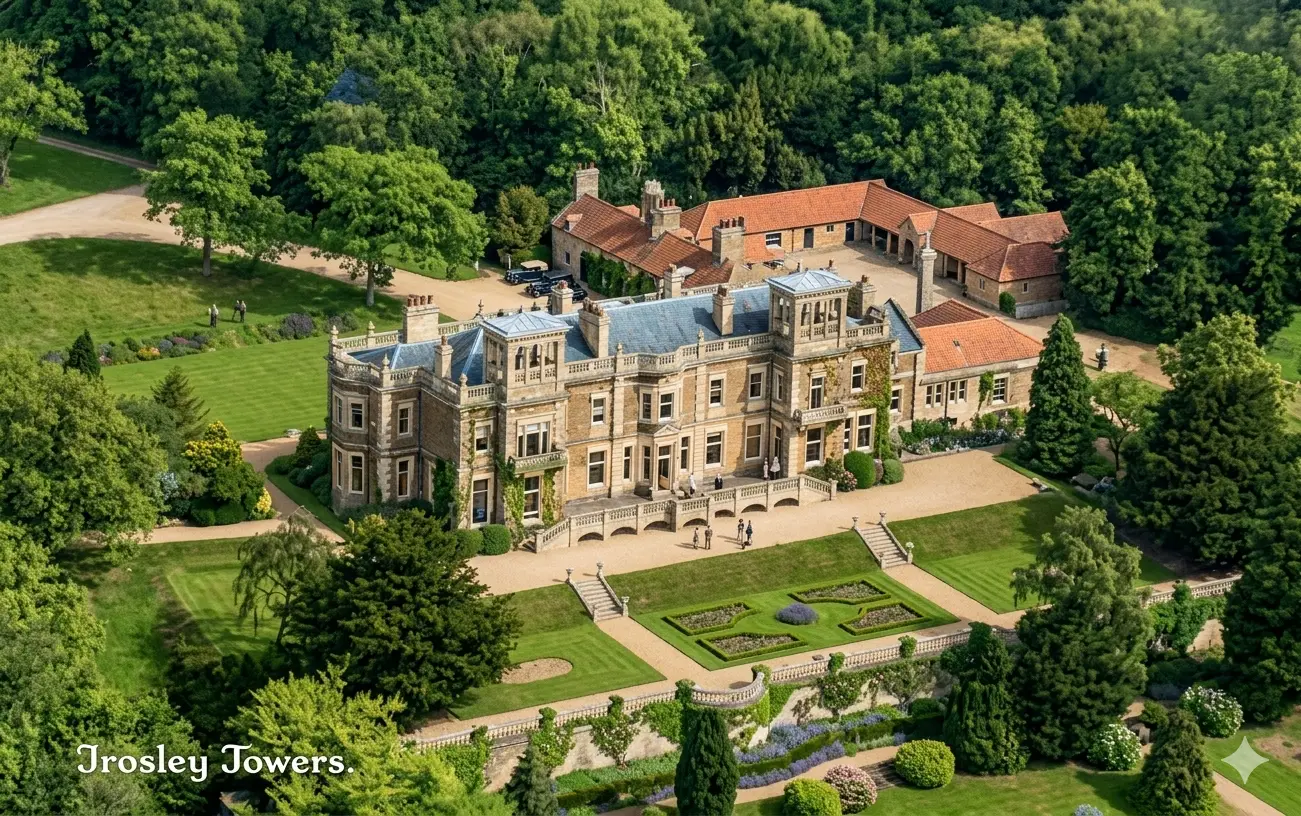
Trosley Towers walled garden, Hognore Lane – the garden is located behind the grand gates halfway along the South drive to Trosley Towers. The garden was formed in 1887 at the same time as the mansion itself. Immediately opposite the gates is Garden Lodge, which was the home of the Head Gardener and is now a private dwelling. The gardens themselves were extensive, with fruit trees, vegetables, peaches, palm and carnation houses, tomato and melon frames and a vineyard. The old greenhouses no longer exist, but the boiler house chimney still stands. The original potting sheds have been converted into a bungalow called the Pot House, and it is still the centre of the old walled garden.
Further information on Trosley Towers can be found at Places>Landmarks>Trosley Towers.
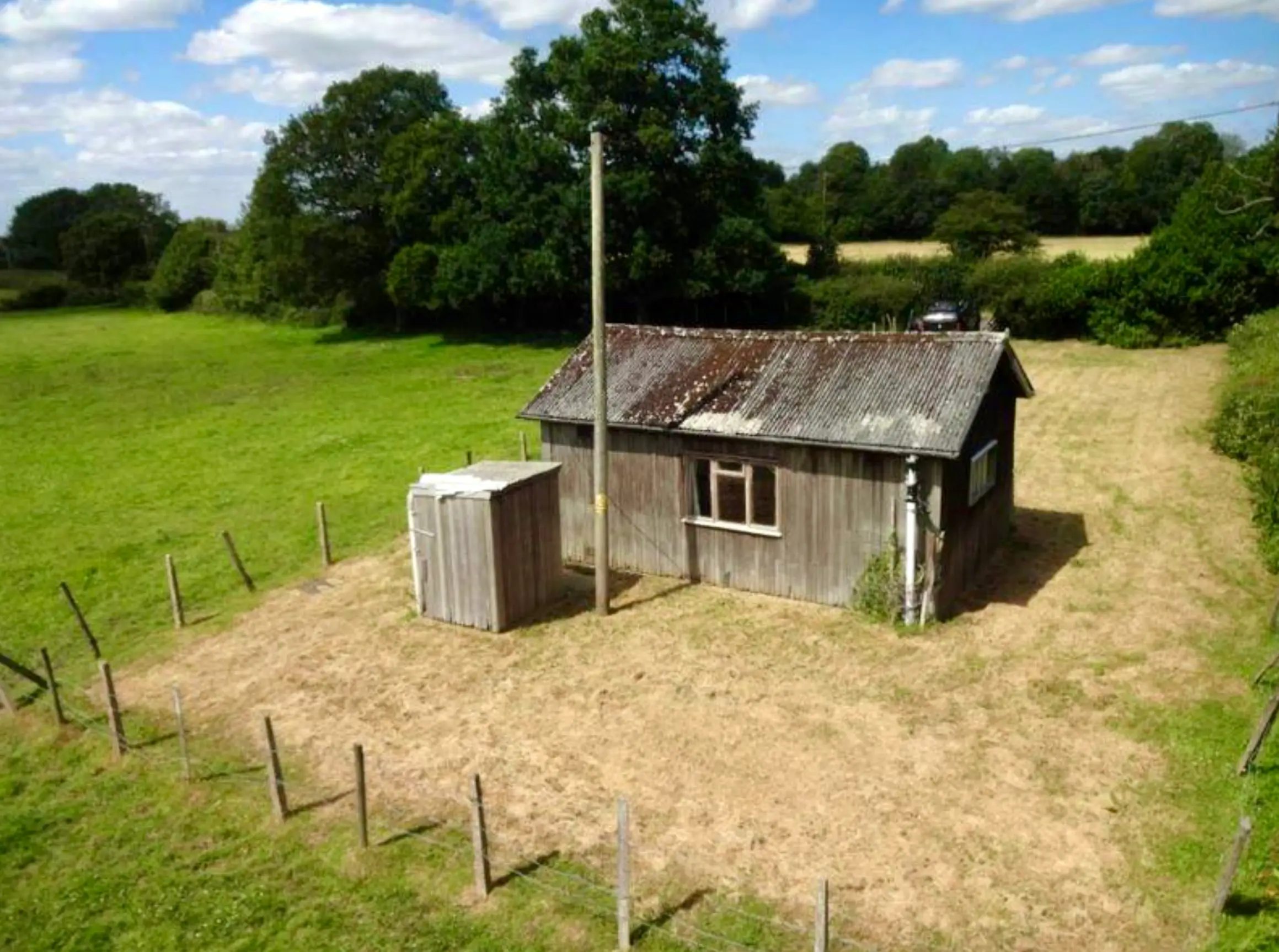
Fairseat telephone exchange, Vigo Road – this was situated in a large wooden shed next to Dairy Cottages and was Fairseat’s 2nd telephone exchange from 1959 to 1971. It was recently sold and, in 2026, is in the final stages of being replaced by a one-bedroom bungalow.
Further information on this property can be found under Environment > Infrastructure.
Photo Gallery
The following photo gallery features images that were used to illustrate various people and locations during the walk.
Author: Dick Hogbin
Editor: Tony Piper
Acknowledgements:
Last Updated: 23 August 2026